Oaxacan tradition, ancestral technique, and respect for agave
San Dionisio Ocotepec as the starting point
Mezcal is a direct expression of its territory. In San Dionisio Ocotepec, Oaxaca—one of the historic areas recognised within the Mezcal Denomination of Origin—Bendito Eres is produced following artisanal methods that prioritise quality and authenticity.
The agave life cycle
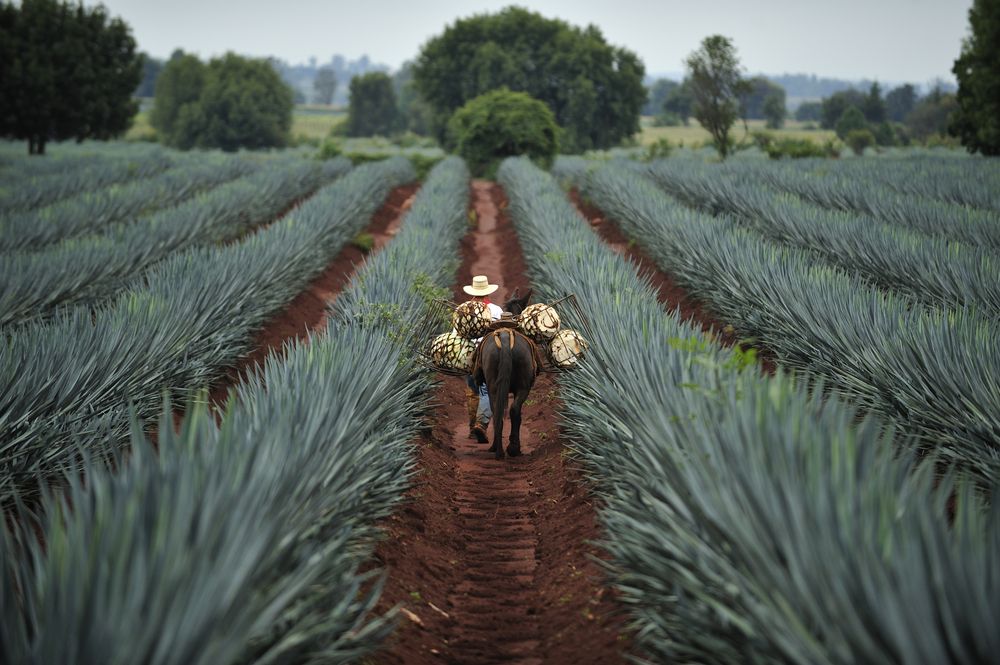
Production begins with fully mature agave, cultivated for years until it reaches the right balance of sugars. This patience is key to obtaining a well-structured spirit with aromatic complexity.
Preparation of the piñas
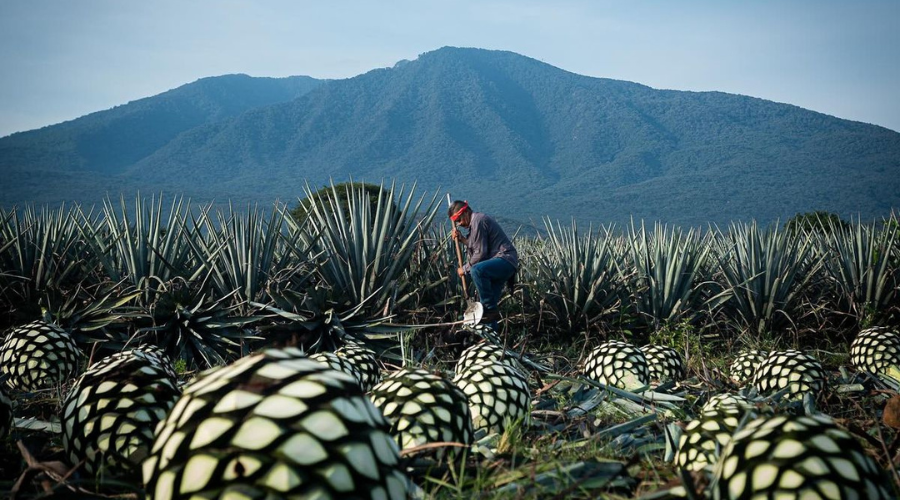
Jimado removes the agave leaves to obtain the piña, which concentrates the compounds needed for fermentation. This stage requires experience to avoid defects in the final product.
Traditional cooking and chemical transformation
The piñas are cooked in buried volcanic-stone ovens, where heat and smoke convert starches into fermentable sugars, creating the signature smoky character of artisanal mezcal.
Milling and must extraction
Milling with a stone tahona allows the must to be extracted in a controlled way, preserving fibres and adding texture to the liquid that will later ferment.
Paragraph
Natural fermentation in wood
The must ferments in wooden vats, using native airborne yeasts from the local environment. This process is one of the main reasons behind mezcal’s aromatic diversity.
Copper distillation
Distillation in copper stills concentrates the alcohol and defines mezcal’s final profile. Typically, two distillations are carried out to achieve balance and purity.
Resting and stabilisation
Before bottling, the mezcal is left to rest in glass containers, stabilising the spirit without altering its original character.
Identity and tradition
Its origin in San Dionisio Ocotepec and respect for traditional methods make Bendito Eres a mezcal that faithfully represents Oaxacan culture and craftsmanship.